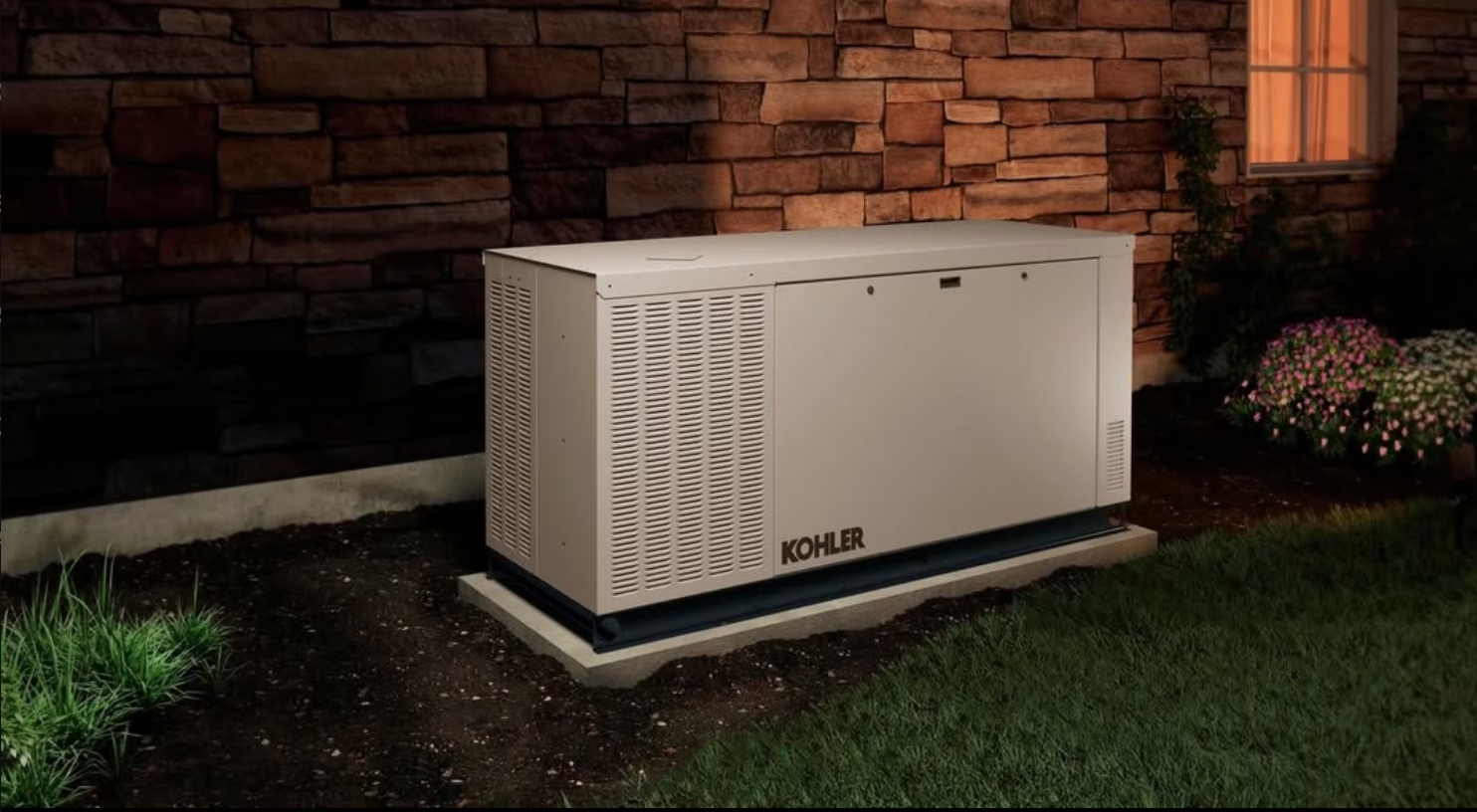
Your standby generator is your first line of defense against unexpected power outages—but like any major appliance, it won’t last forever. Over time, even the best systems lose efficiency, reliability, and compatibility with today’s technology. So how do you know when it’s time to stop repairing and start replacing? This generator replacement guide will help you assess whether it’s time to upgrade your home generator based on performance, safety, and cost-effectiveness.
1. Your Generator Is Approaching the End of Its Lifespan
The typical generator lifespan ranges from 10 to 15 years, depending on usage, brand, fuel type, and maintenance history. If your system is approaching or beyond this window, it may start showing signs of wear—even if it hasn’t completely failed. Older units also lack the technological advancements and fuel efficiency of modern models. If your generator is nearing the end of its life, a proactive upgrade can save you money on repairs and improve your home’s outage preparedness.
2. Frequent Breakdowns or Repairs
Are you calling for service more often than usual? Ongoing issues like failed starts, inconsistent power output, or error codes may indicate your generator is no longer reliable. While the occasional repair is normal, frequent breakdowns are a clear signal that your system is aging. At a certain point, it’s more cost-effective to invest in a new unit than continue patching an outdated one. A new system provides better fuel economy, quieter operation, and more advanced safety features.
3. Difficulty Finding Replacement Parts
As generators age, sourcing parts becomes more difficult—especially for discontinued models. If your technician is struggling to locate filters, control boards, or other key components, it could be time to upgrade your home generator. Newer systems have readily available support, improved warranties, and smart monitoring capabilities that older models simply can’t match.
4. Changes in Your Home’s Power Needs
Have you added a home office, electric vehicle charger, or central air system since your generator was installed? If your home’s power demands have increased, your existing unit may no longer provide adequate coverage during an outage. An undersized generator can become overworked and fail when you need it most. Upgrading to a larger or more efficient unit ensures full backup power for all your critical systems—and helps you future-proof your investment as your household grows or evolves.
5. Outdated Technology or Poor Efficiency
Generator technology has come a long way in recent years. Today’s systems are quieter, cleaner, and more efficient than ever before. Many offer smart monitoring, remote diagnostics, better emissions control, and energy load balancing—all features older units don’t support. If your generator lacks modern convenience or isn’t meeting your expectations for fuel consumption and reliability, upgrading can enhance your comfort and peace of mind during an outage.
Bonus Sign: Failing Load Tests or Inconsistent Operation
Failing automatic self-tests, delayed starts, or inconsistent performance under load are serious warning signs. If your generator struggles to meet power demands or shuts down prematurely, it’s time to seriously consider replacement. Commander Power Systems offers diagnostic services to assess your unit’s current condition and help you plan your next step.
Commander Power Systems: Your Trusted Partner in Generator Replacement
We understand that deciding to replace a generator is a significant decision. That’s why we offer comprehensive assessments, honest recommendations, and top-tier installation services across Long Island. Whether you’re replacing an outdated system or upgrading to meet growing demands, we’ll guide you every step of the way to ensure your new generator is reliable, efficient, and built to last.
Ready for an Upgrade?
If you recognize any of these signs, don’t wait for your generator to fail during the next storm. Contact Commander Power Systems today for a generator replacement consultation and ensure your home is powered, protected, and prepared for years to come.